HOW TO PROTECT YOUR TRANSACTION IN B2B TRADE

How to stay legally safe when trading online with other businesses? Hidden Risks 'case

Imagine you’re a director of Sugar & Spice Ltd, a UK-based food wholesaler. Your company sends an email agreement to a Spanish supplier for 20 tonnes of organic sugar. Both sides agree instantly via email. There is no signed contract, no governing law clause, no discussion of terms.

A week later, the sugar arrives contaminated. The Spanish supplier blames transport conditions and does not accept liability. Sugar & Spice wants to sue, but in which country? And under what law? This is a typical B2B e-commerce problem, fast-moving, borderless, and legally risky if the basics are ignored.

While much of e-commerce law focuses on business-to-consumer (B2C)protection, business-to-business (B2B)transactions, especially between companies using email, online platforms, or EDI (electronic data interchange) , also raise serious legal issues.

Unlike B2C contracts, B2B parties are generally assumed to be commercially equal, so consumer protections don’t apply. However, EU and UK laws still demand fair competition, transparency, and compliance with contract and competition laws.

B2B E-COMMERCE DEALS

Overhead view of colleagues in a work meeting using laptops and tablets, emphasizing teamwork and technology.

At first glance, two businesses dealing by email may seem free to agree on anything, but this “freedom” is limited by EU competition law (Article 101 TFEU), which prohibits anti-competitive “concerted practices,” even informal cooperation through frequent digital communications. Second, Confidentiality and IP lawmisuse of shared trade data or technical documents over email can trigger breach of confidence or copyright infringement claims. Contract formation issues,  rushed exchanges might lack clear terms on payment, liability, governing law, or jurisdiction.

Even a short email exchange can legally form a binding contract, so treat every communication as though it could end up in court.

LEGAL RISKS FOR B2B E-COMMERCE

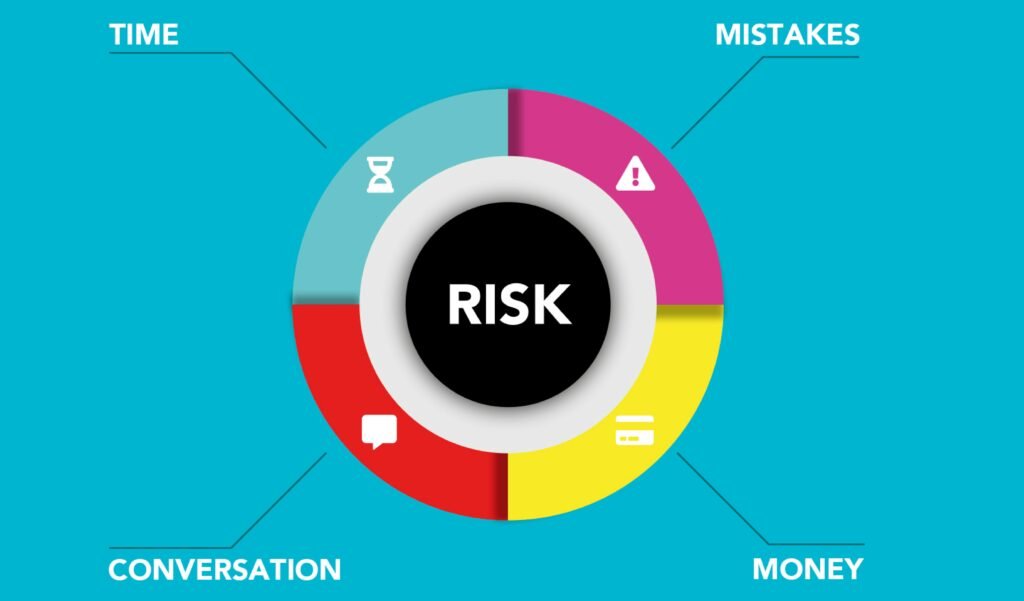
A vibrant infographic illustrating risk management with focus on time, money, conversation, and mistakes.

(1) Competition Law

Regular email discussions between competitors about prices, markets, or output levels can create “concerted practices”,  violating Article 101 TFEU and the UK Competition Act 1998.
Fines can reach 10% of global turnover, even without a written agreement. For instance, two logistics firms exchange “informal updates” on delivery rates. Regulators view this as price coordination,  an illegal anti-competitive practice.

The best practice is to avoid discussing pricing or market strategy electronically with competitors. Keep collaboration within lawful boundaries (e.g., joint ventures, not collusion).

(2) Misuse of Confidential Information

B2B e-commerce often involves sharing sensitive data, like pricing, product specs, or client lists.
Under common law and trade secret legislation, disclosing or misusing this information intentionally or accidentally may lead to legal action. In order to avoid any legal action for this breach, use non-disclosure agreements (NDAs) before exchanging business information. And encrypt files and limit access within your organisation.

(3) Incorporation of Terms and Jurisdiction

In fast-paced email negotiations, vital clauses may be forgotten, especially those on:

  • Payment terms
  • Delivery and Incoterms
  • Risk and property transfer
  • Law and jurisdiction

Without them, the default rules of the Sale of Goods Act 1979, the Rome I Regulation, or Commercial Agents Regulations may apply,  often unpredictably.

Let’s take an example of a UK buyer and an Italian seller agreeing over email to ship machinery. And there is no jurisdiction clause. The goods are defective, and each side insists the dispute belongs in their own court. This could lead to expensive parallel proceedings.

Therefore, it’s necessary to always include clear contract terms even in an email chain.

(4) Electronic Evidence and Traceability

Every digital transaction leaves a data trail useful for proving contract terms, but also exposing you to regulatory investigations if competition or tax laws are breached. Authorities can recover deleted emails or encrypted records to prove illegal collaboration or misrepresentation.

As a result, it’s important to train employees to handle digital contracts responsibly, as what they write can later become legal evidence.


Learn more

topic covered in this Articles

READING OUTCOMES

Josué Mankoto
Legal Consultant

More commercial Articles

Start your next journey with us.

Scroll to Top